


Malaysia lost 17% of its rainforest cover from 2001 to 2021, including nearly 3 million hectares of primary forest between 2002 and 2020.
Urbanization reduced forest land in Selangor by 5.47% from 1989 to 2011
Ipoh's temperature increased by 6.75°C over 21 years due to urbanization.
Malaysia's urbanization rate tripled from 28.4% in 1970 to 75.1% in 2020.
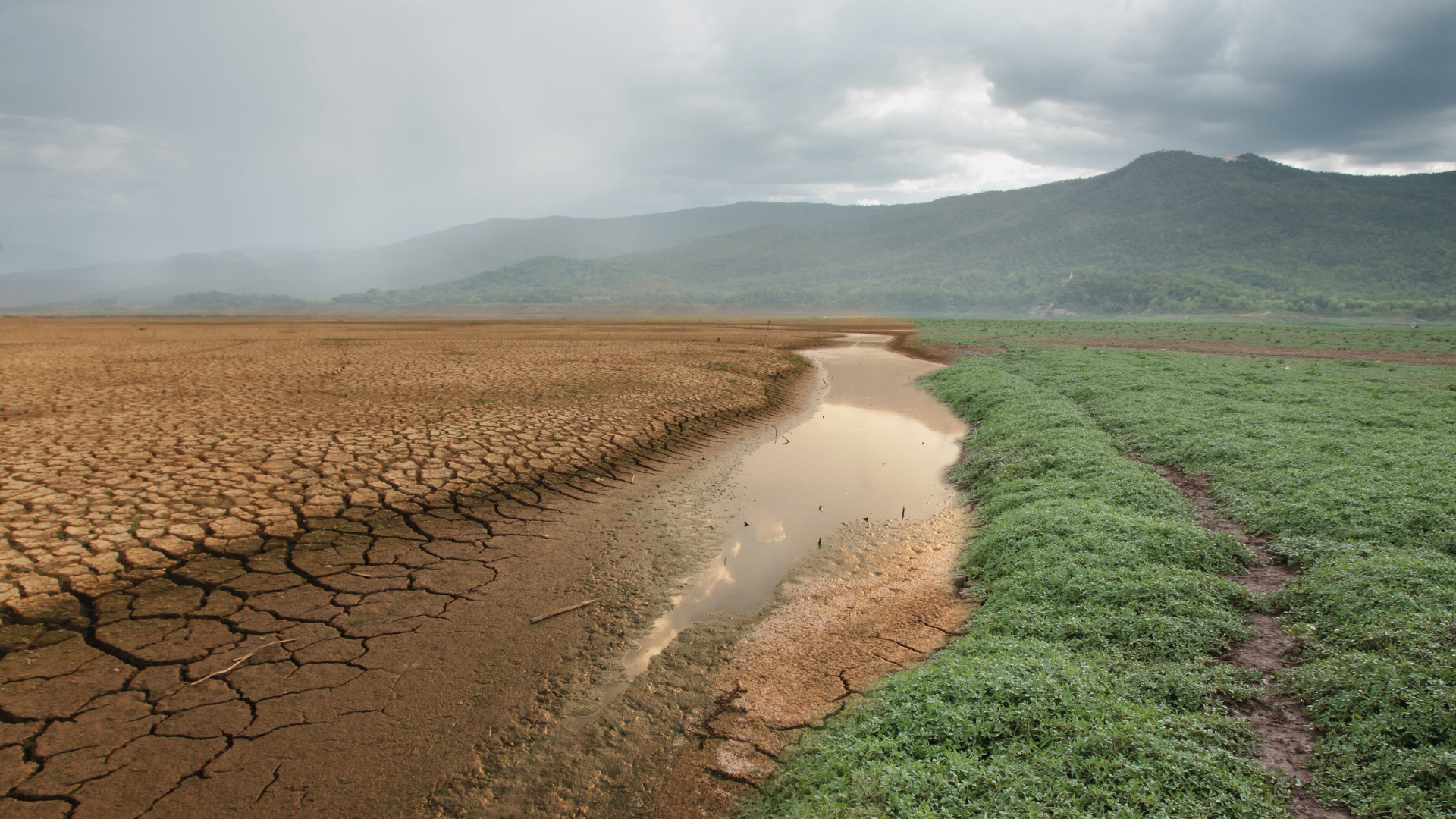
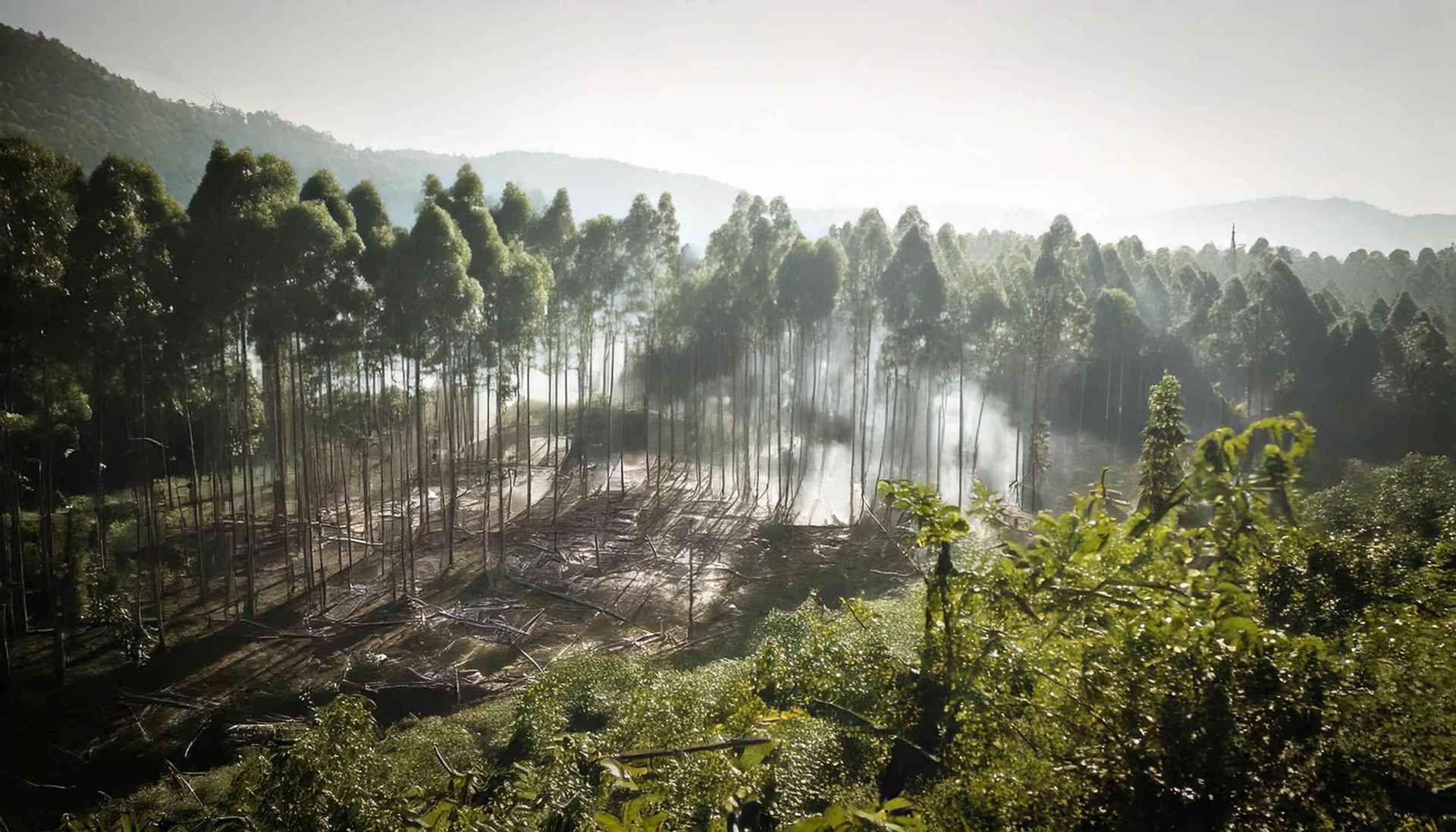

Indigenous and local communities that depend on forests for their livelihoods can be displaced.
Deforestation can lead to increased air and water pollution, affecting the health of nearby populations.
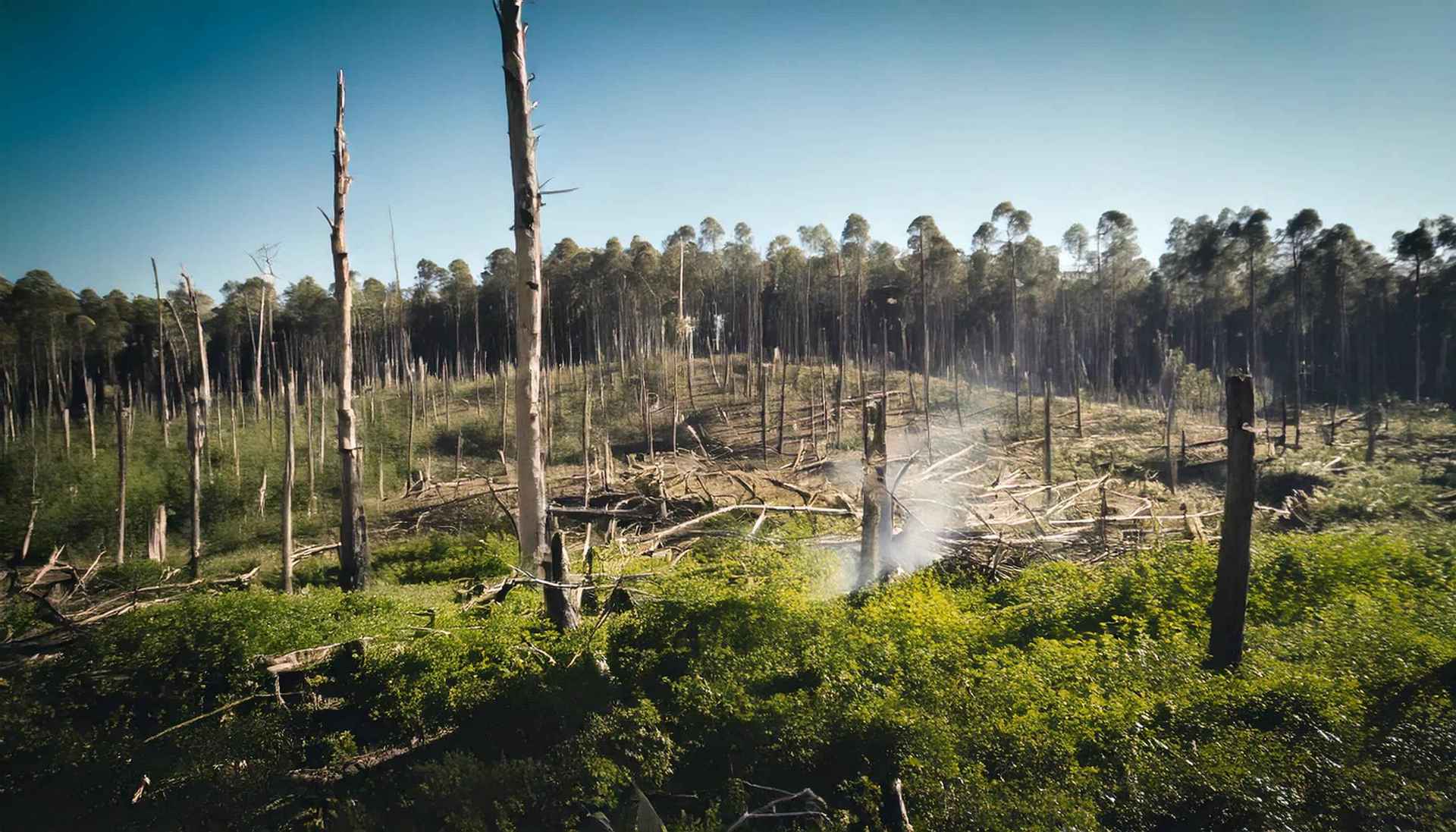
Deforestation due to urban expansion can lead to significant economic consequences. We'll explore two key areas: the loss of valuable resources, such as timber and medicinal plants, and the decline in tourism revenue, which can affect local economies that rely on natural forests to attract visitors.

Deforestation destroys valuable resources like timber and medicinal plants.

Natural forests attract tourists. Deforestation can reduce tourism revenue

Tree removal can lead to more flooding, increasing repair and maintenance expenses.

Deforestation can reduce crop yields by affecting soil quality and water availability.